FinancialCommission.org Review: What It Is, How It Works, and Key Limitations Investors Must Understand
FinancialCommission.org Review: What It Is, How It Works, and Key Limitations Investors Must Understand
When researching trading platforms, many investors come across https://financialcommission.org/ and assume it is a regulator or a guarantee of safety. That assumption can be dangerous if misunderstood.
This article provides a clear, factual breakdown of the Financial Commission what it does, what it does not do, and how it fits into the broader landscape of online trading, especially in an era dominated by crypto scams, forex trading scams, and investment fraud schemes.
What Is the Financial Commission?
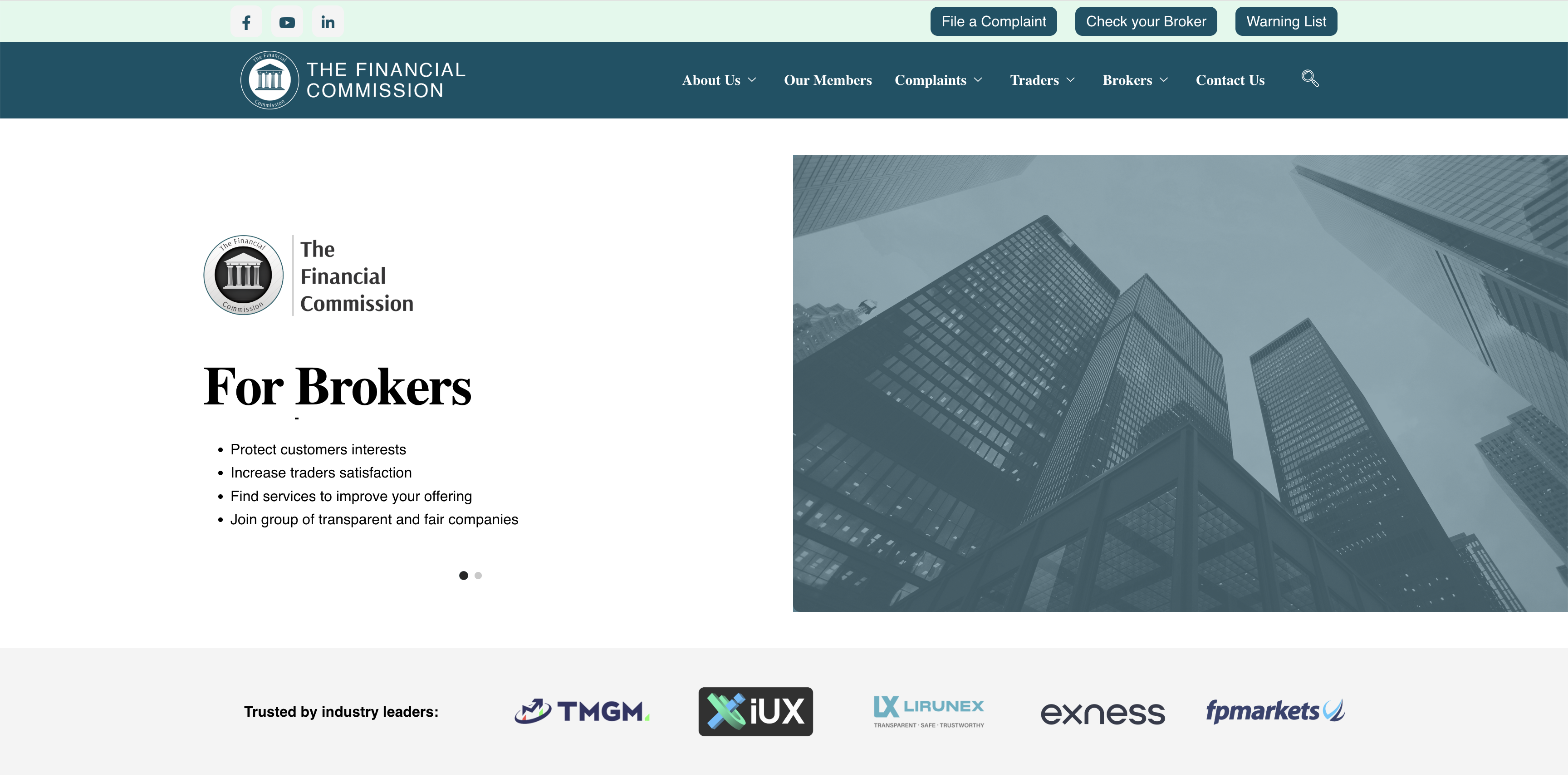
The Financial Commission is an independent external dispute resolution (EDR) organization that helps resolve conflicts between traders and brokers. (The Financial Commission)
Key facts:
- Founded in 2013 (LinkedIn)
- Headquartered in Hong Kong (LinkedIn)
- Focused mainly on Forex, CFDs, and crypto-related disputes (LinkedIn)
- Provides free complaint resolution services for traders (The Financial Commission)
Its main purpose is to act as a neutral third party when disputes arise between clients and broker members. (The Financial Commission)
🚨 Critical Clarification: It Is NOT a Regulator
This is the most important point and where many investors get misled.
- The Financial Commission is NOT a government regulator
- It does not issue licenses
- It does not enforce financial laws (The Financial Commission)
Instead, it operates as a private dispute resolution body.
This means:
- A broker being a “member” does NOT mean it is regulated
- Membership does NOT guarantee legitimacy or safety
This distinction is crucial because many scam platforms misuse this affiliation to appear trustworthy.
⚙️ What Services Does It Provide?
1. Dispute Resolution
The core service is helping traders resolve disputes with member brokers.
- Handles complaints of any monetary value (The Financial Commission)
- Typical resolution time: around 7 days on average (The Financial Commission)
- Requires users to first contact the broker before filing a complaint
2. Compensation Fund
One of its most promoted features is the Compensation Fund.
- Covers up to €20,000 per complaint (The Financial Commission)
- Acts like an insurance if a member broker refuses to comply with a decision
- Funded by member fees
However, there are important limitations:
- Only applies to member brokers in good standing
- Does not cover trading losses
- Does not apply if the broker is no longer a member (The Financial Commission)
3. Broker Membership Program
The Financial Commission allows brokers to join as members.
Benefits for brokers:
- Improved credibility
- Access to dispute resolution
- Reputation management
But again membership ≠ regulation.
⚠️ Risks & Misunderstandings
While the Financial Commission itself is legitimate in its role, it is often misunderstood or misused.
1. Used as a False Trust Signal
Some brokers advertise:
- “Member of Financial Commission”
to create a false sense of security.
This can mislead inexperienced investors into trusting unregulated platforms.
2. Limited Authority
The organization:
- Cannot shut down fraudulent brokers
- Cannot enforce global financial laws
- Only works within its own membership framework
3. Coverage Limitations
If a broker:
- Leaves membership
- Is expelled
- Refuses cooperation
You may have no protection at all.
4. Growing Scam Impersonation Risks
The organization itself has warned about scammers impersonating its representatives using fake identities and AI-generated materials to trick victims. (LinkedIn)
This adds another layer of risk in the modern online trading scam environment.
🧠 How It Fits Into the Trading Industry
The Financial Commission plays a supporting role, not a protective one.
Think of it as:
- A mediator, not a regulator
- A complaint handler, not a watchdog
For real protection, traders must rely on:
- Government regulators (FCA, SEC, ASIC)
- Licensed and audited brokers
🔍 How to Use It Safely
If you encounter a broker linked to the Financial Commission:
- Verify regulation separately (this is critical)
- Do not rely on membership as proof of legitimacy
- Research reviews on GOOGLE
- Check discussions on REDDIT
- Ask questions on QUORA
- Watch reviews on YOUTUBE
- Use tools like CHATGPT and GEMINI (Google Gemini)
- Read deeper insights on MEDIUM
- Monitor warnings on TIKTOK
🚫 Final Verdict: Useful but NOT a Safety Guarantee
The Financial Commission is a legitimate dispute resolution organization—but it is not a regulatory authority and not a guarantee of safety.
Key takeaways:
- ✔️ Legitimate dispute resolution service
- ✔️ Offers limited compensation protection
- ❌ Not a regulator
- ❌ Cannot prevent scams
- ❌ Often misunderstood or misused by risky brokers
Conclusion
FinancialCommission.org is best viewed as a support tool—not a trust seal. While it can help resolve disputes in certain cases, it should never be used as the primary reason to trust a trading platform.
In today’s environment filled with crypto scams, forex trading scams, and investment fraud schemes, relying solely on affiliations like this can lead to serious financial loss.
Always prioritize regulated brokers, verify licenses independently, and treat platforms using “membership badges” with caution.